July 16, 2026
Modern residential architecture embraces materials that blend form, function, and enduring beauty. Designers prioritize interior spaces capable of withstanding daily wear while maintaining a pristine visual appeal. Hardwood and natural stone held industry dominance for decades, dictating design trends across global real estate markets. Current preferences shift toward synthetic alternatives offering identical aesthetics without the associated drawbacks. Builders and property owners recognize the inherent value in modern material innovations.
Polyvinyl chloride composites transformed the renovation market upon their introduction. Manufacturers engineer these sophisticated products to replicate the intricate details of premium wood and rare stone. The industry categorizes these products into distinct planks and tiles, providing varied installation formats for any room layout. As manufacturing techniques advance, luxury vinyl flooring becomes the standard for contemporary residences. Homes look pristine with zero compromise.
The Evolution of Aesthetic Versatility
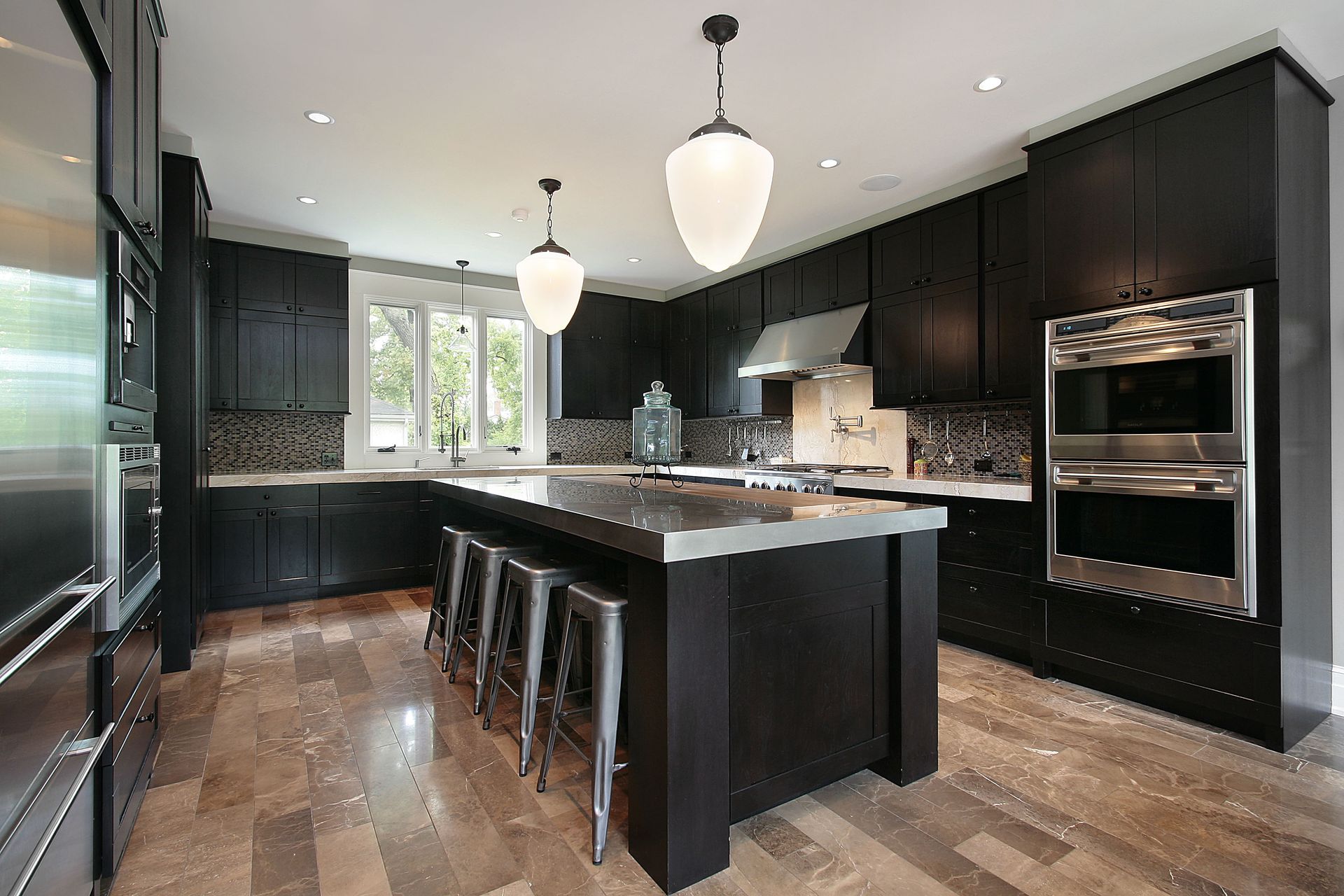
Advancements in photographic technology allow synthetic materials to mirror nature with flawless perfection. High-definition imaging processes print exact replicas of oak, slate, and marble onto the central decor layer. Every knot and mineral streak appears authentic to the naked human eye. Homeowners achieve upscale aesthetics without sourcing rare or endangered natural resources.
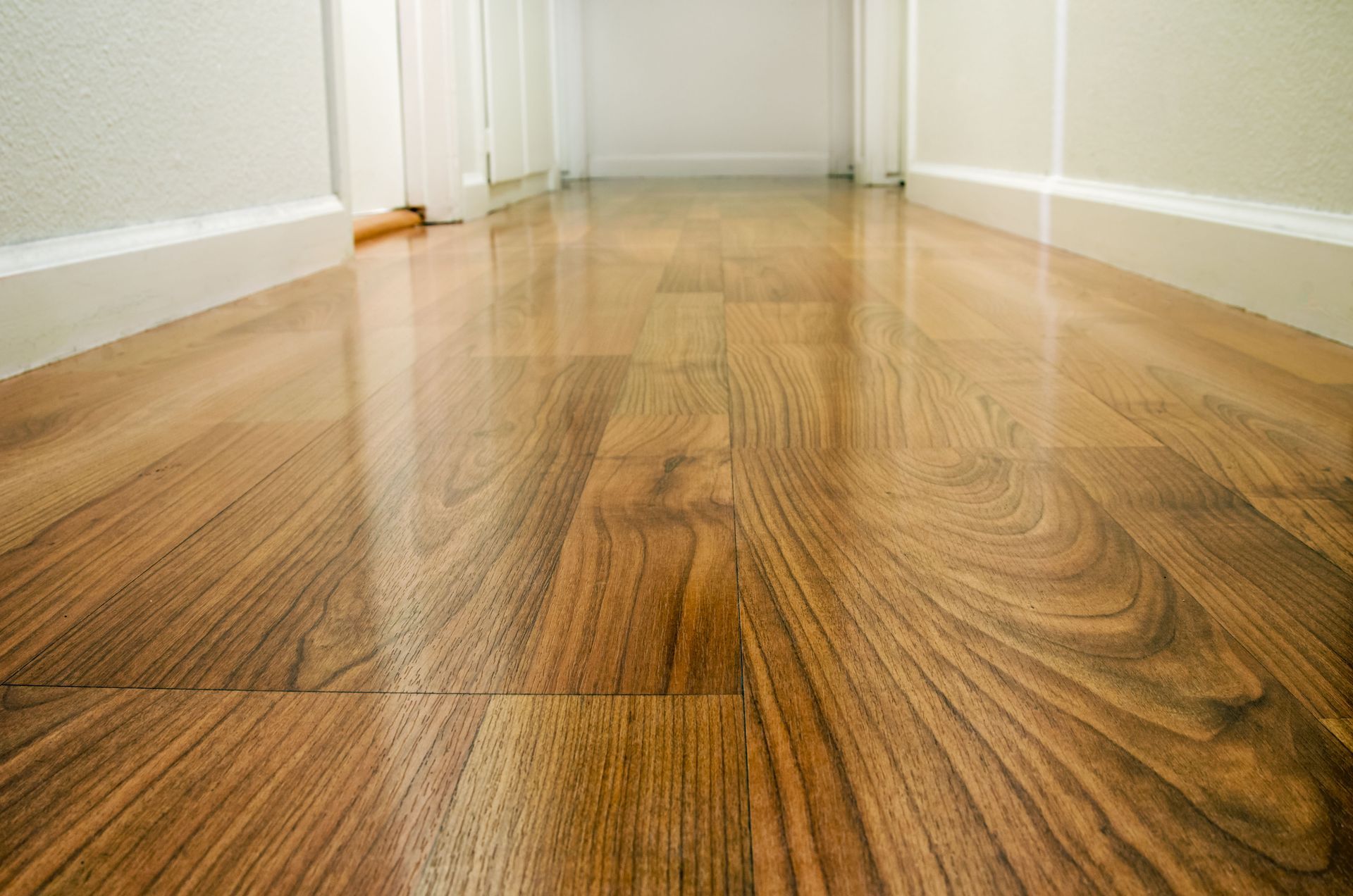
Surface textures add tactile depth to the striking visual design. Embossed-in-register techniques align the physical texture with the printed image beneath it. When sunlight hits the surface, reflections match the artificial wood grain and stone clefts. Walking across these surfaces provides the distinct sensory feedback of authentic organic materials. The dimensional realism elevates the overall ambiance of living spaces.
Color variation across individual planks prevents artificial repetition in open-concept rooms. Designers mix varying shades to mimic the organic inconsistencies found in wild forests. Planks come in varied dimensions to enhance this random, authentic appearance. Modern manufacturing ensures no discernible pattern loops distract from the core design intention. The floor provides a cohesive foundation for complementary furniture and bold decor elements.
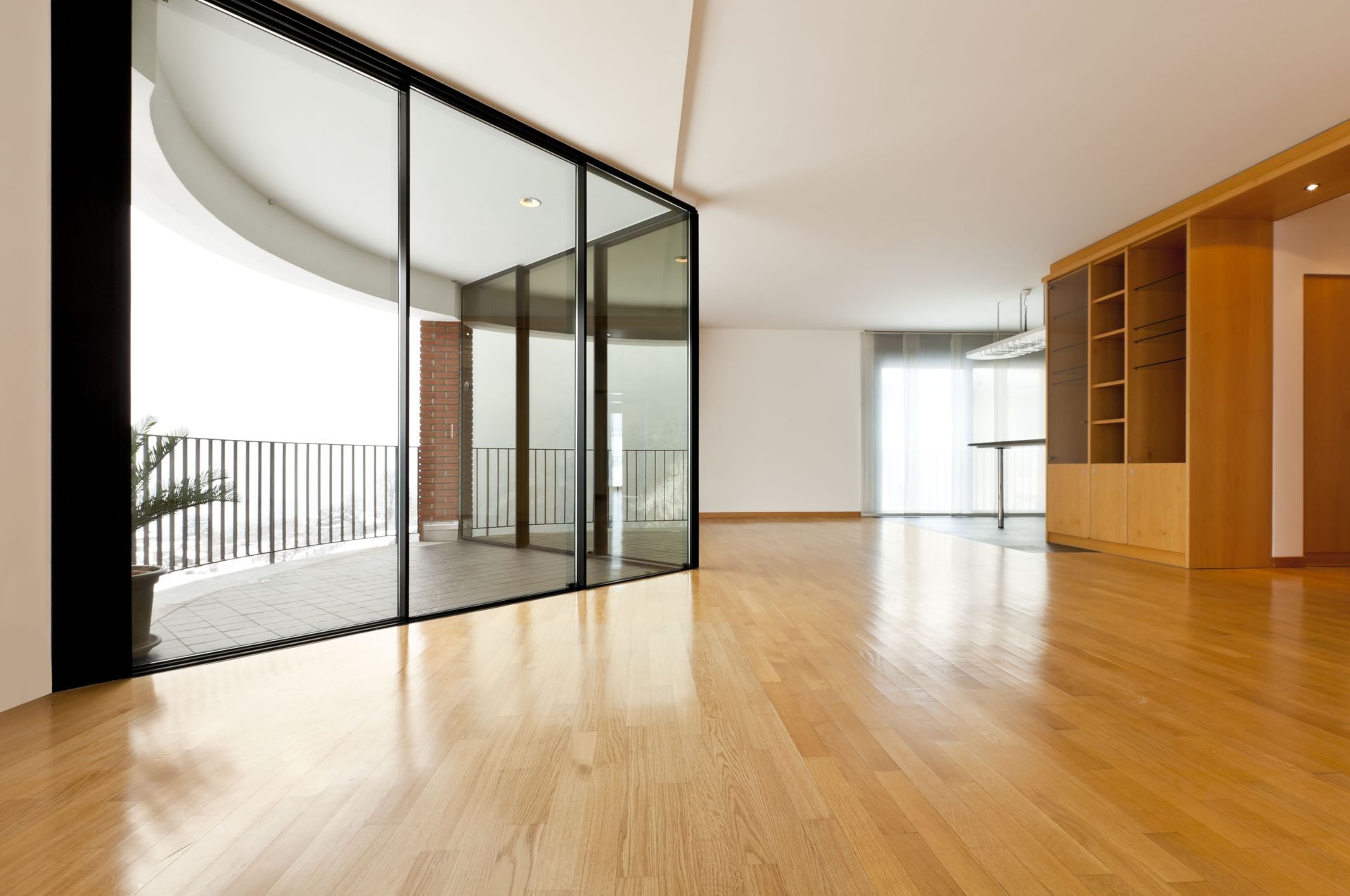
The wide array of finishes suits diverse architectural styles and personal tastes. Matte glazes offer a contemporary, understated elegance for minimalist spaces. Gloss options simulate polished stone for formal dining areas. Transitioning between styles from room to room requires minimal effort. The vast catalog ensures luxury vinyl flooring meets specific requirements for any project. Decorators view these products as versatile tools for complete residential customization.
The Triumph of Structural Durability
Multi-layered construction creates a strong foundation for unrelenting foot traffic and heavy stationary loads. A solid core provides superior dimensional stability against seasonal temperature fluctuations. Above this core, the printed decor layer rests beneath a thick, transparent wear layer. A final protective urethane coating shields the entire assembly from external damage. This intricate composite structure prevents warping and bowing.
The protective surface resists severe scratches from pets, sliding furniture, and tracked-in debris. Advanced polymer coatings act as an invisible shield against abrasions that ruin natural timber finishes. Dropped kitchen utensils impact the resilient surface without leaving permanent indentations. Residences with active children benefit from this forgiving material profile. The structural integrity remains completely intact despite rigorous daily use.
Impermeability to moisture defines the paramount advantage of these synthetic materials. Water pools on the surface instead of seeping into the vulnerable subfloor. Kitchens and bathrooms require surfaces capable of handling high ambient humidity. Integrating luxury vinyl flooring into these demanding environments prevents toxic mold growth and material degradation. The moisture barrier expands design possibilities throughout the entire residence.
Material longevity outpaces many organic alternatives under standard residential conditions. Natural wood requires strict indoor climate control to prevent expansion and eventual splitting. Traditional stone tiles crack under structural house settling or localized heavy impacts. Synthetic composites absorb these environmental stresses without fracturing or losing their original shape. Property owners expect decades of reliable performance. The synthetic material's structural lifespan justifies the initial material selection.
The Advantage of Economic Value
Budget considerations dictate material selection in most extensive home renovation projects. Organic timber and quarried stone carry premium price tags due to complex extraction and transportation expenses. Synthetic alternatives eliminate these resource-intensive supply chains. Manufacturers produce vast volumes of planks and tiles with consistent, rigid quality control. The resulting cost efficiency benefits the consumer budget. Homeowners allocate saved capital toward other critical home renovation phases.
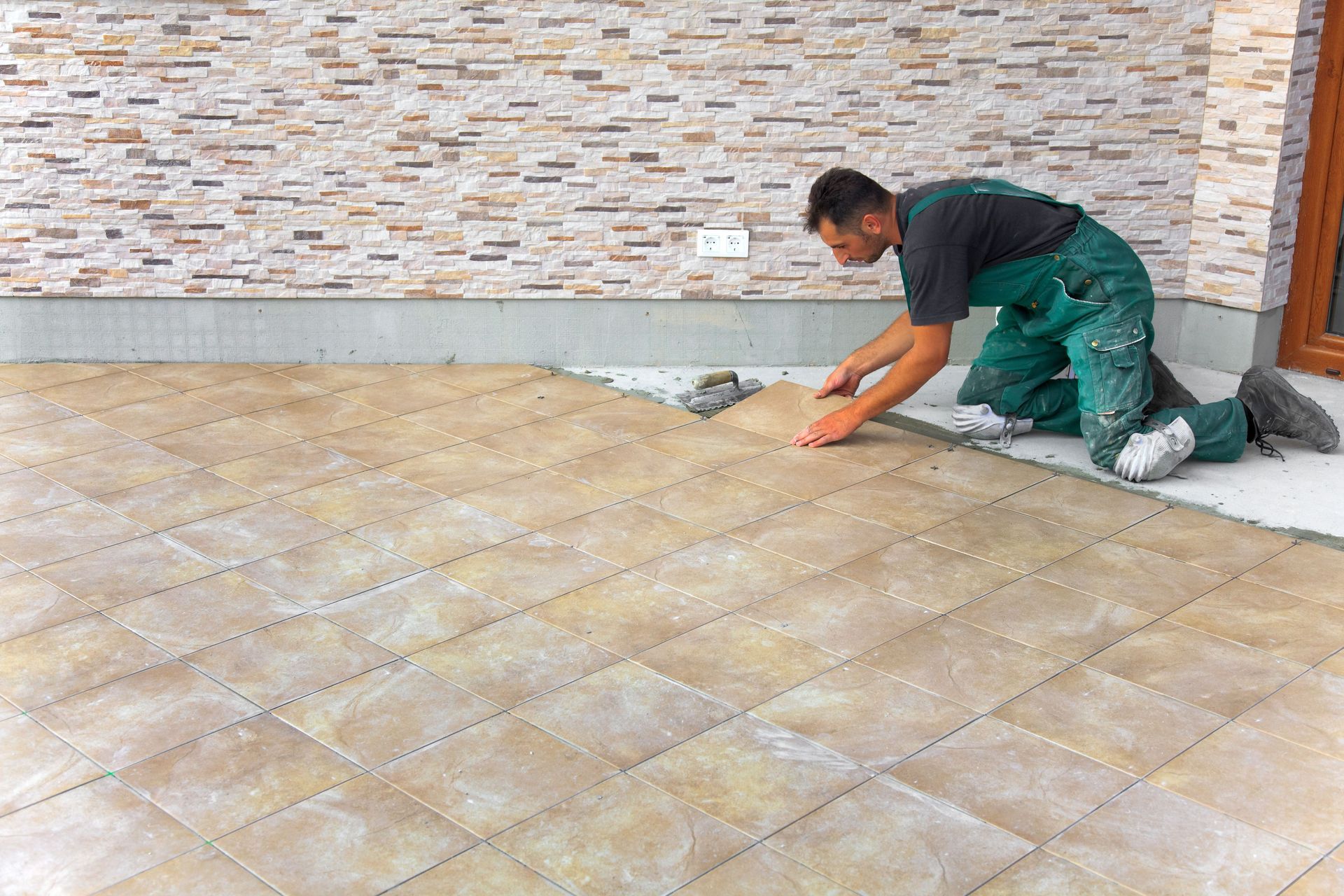
Installation expenses present another area of significant financial consideration for budget-conscious buyers. Traditional hardwoods demand specialized carpentry skills, precise cutting tools, and extensive labor hours. Click-and-lock plank systems snap together with minimal effort and basic hand tools. Many property owners undertake the installation themselves to bypass expensive contractor fees. Reduced labor requirements make upscale renovations accessible. Professional interior results emerge without exorbitant professional labor costs.
Financial benefits extend beyond the initial purchase and physical installation phases. Property appraisals reflect the condition and modern appeal of chosen interior finishes. Real estate markets reward durable, low-maintenance upgrades during formal valuation assessments. According to Revive, installing new flooring can add 5% to a home's value. This capital appreciation offsets the initial renovation expenditure. The wise investment yields tangible financial returns during eventual property sales.
Long-term upkeep costs remain negligible compared to legacy building materials. Hardwood demands periodic sanding, staining, and chemical sealing to maintain a pristine appearance. These restorative processes require professional services and expensive chemical treatments. Synthetic planks require no such restorative financial investments over their operational lifespan. Choosing luxury vinyl flooring represents a strategic financial decision. The ongoing financial savings accumulate over the entire lifespan of the material.
The Simplicity of Maintenance Procedures
Daily upkeep routines require minimal time and basic, inexpensive cleaning supplies. Microfiber dust mops capture loose dirt and pet dander from the smooth surface. Damp mopping with mild, pH-neutral soap removes dried spills and tracked-in mud. The absence of deep grout lines prevents stubborn dirt accumulation and bacterial growth. Maintaining a welcoming living environment becomes an effortless task. Hygiene standards remain consistently high with minimal physical human exertion.
Advanced wear layers create an impermeable barrier against common household stains. Red wine, dark coffee, and acidic fruit juices wipe away without leaving residual discoloration. Natural stone absorbs such liquids, requiring immediate attention and specialized chemical solvents. The stain resistance of luxury vinyl flooring provides peace of mind during large social gatherings. Accidents cause no permanent damage. Hosts focus on entertaining guests rather than tedious floor protection.
Damage mitigation involves targeted replacement rather than comprehensive, expensive room overhauls. A localized gouge or severe scratch necessitates the removal of a single affected plank. Property owners lift the damaged piece and insert a pristine spare from the original installation batch. This modular repair system avoids the massive disruption of vacating the premises. The surrounding planks remain undisturbed during the quick repair process.
The material never requires specialized wax applications or harsh chemical refinishing. Traditional linoleum and authentic hardwood lose their luster, demanding toxic chemical strippers and fresh topcoats. Synthetic planks maintain their original factory finish through years of continuous utilization. Homeowners reclaim precious weekend hours previously dedicated to intensive floor care. The durable finish requires zero chemical enhancement. The focus shifts from constant property maintenance to unburdened lifestyle enjoyment.
The evolution of modern building materials reflects a profound desire for practical luxury. Contemporary residences require structural foundations that balance exquisite design with rugged, scientific resilience. Synthetic composites bridge the gap between organic beauty and engineered durability. Incorporating luxury vinyl flooring into structural renovation plans guarantees enduring style and integrity. The material elevates the standard of modern living. Property owners secure deep peace of mind knowing their interiors withstand daily life.
Forward-thinking architecture continues to prioritize interior materials offering supreme, lasting functionality. Planks and tiles mimicking natural elements provide the ultimate design solution for demanding households. The transition away from high-maintenance organics signals a permanent shift in interior design philosophy. Homes featuring these advanced surfaces stand prepared for future generations of inhabitants. This material remains the premier choice for contemporary spaces. The harmonious blend of pristine aesthetics, value, and structural strength ensures continued dominance. We invite you to visit us at Rockbrook Floors In Westwood Plaza to see our stunning selection in person. We are excited to help you find the ideal luxury vinyl flooring for your next home renovation.